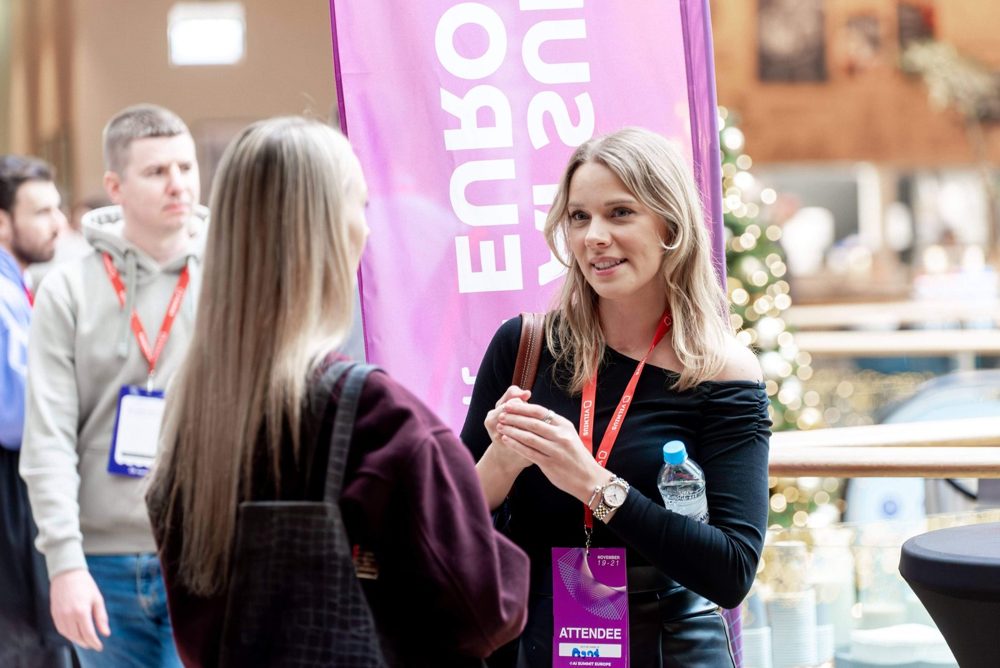
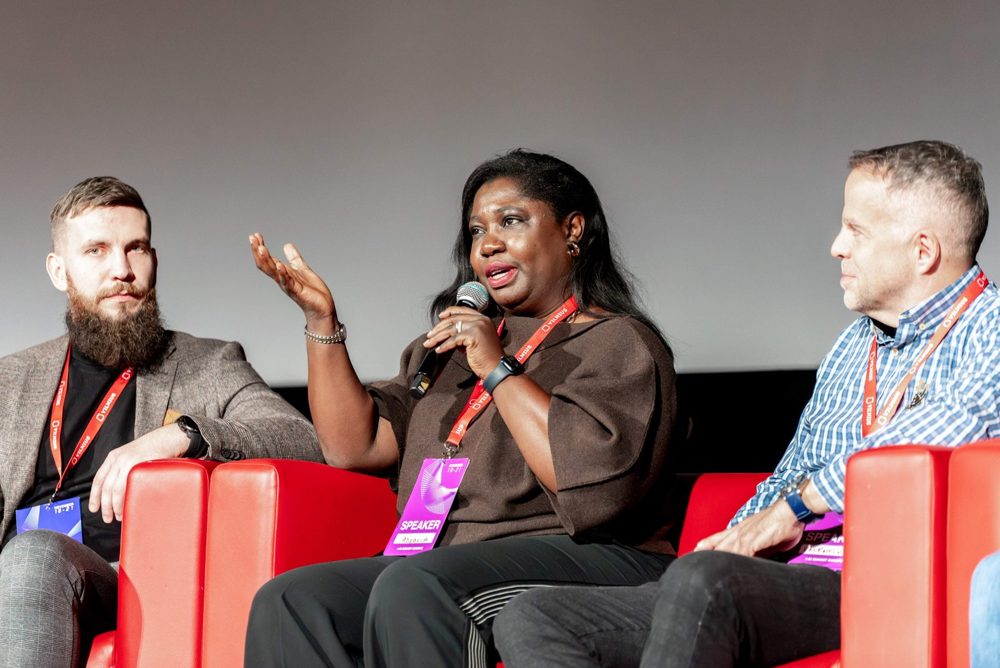
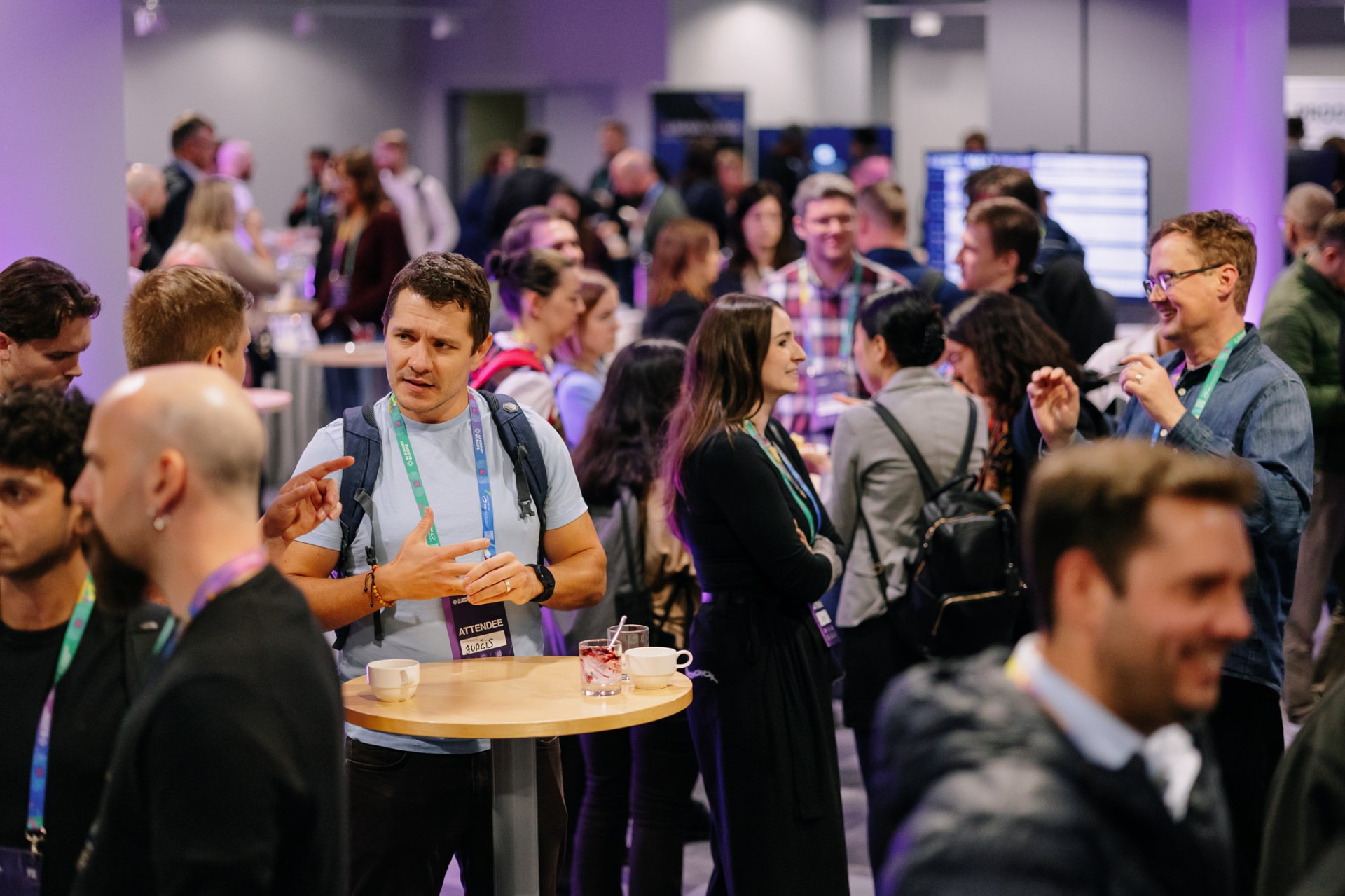
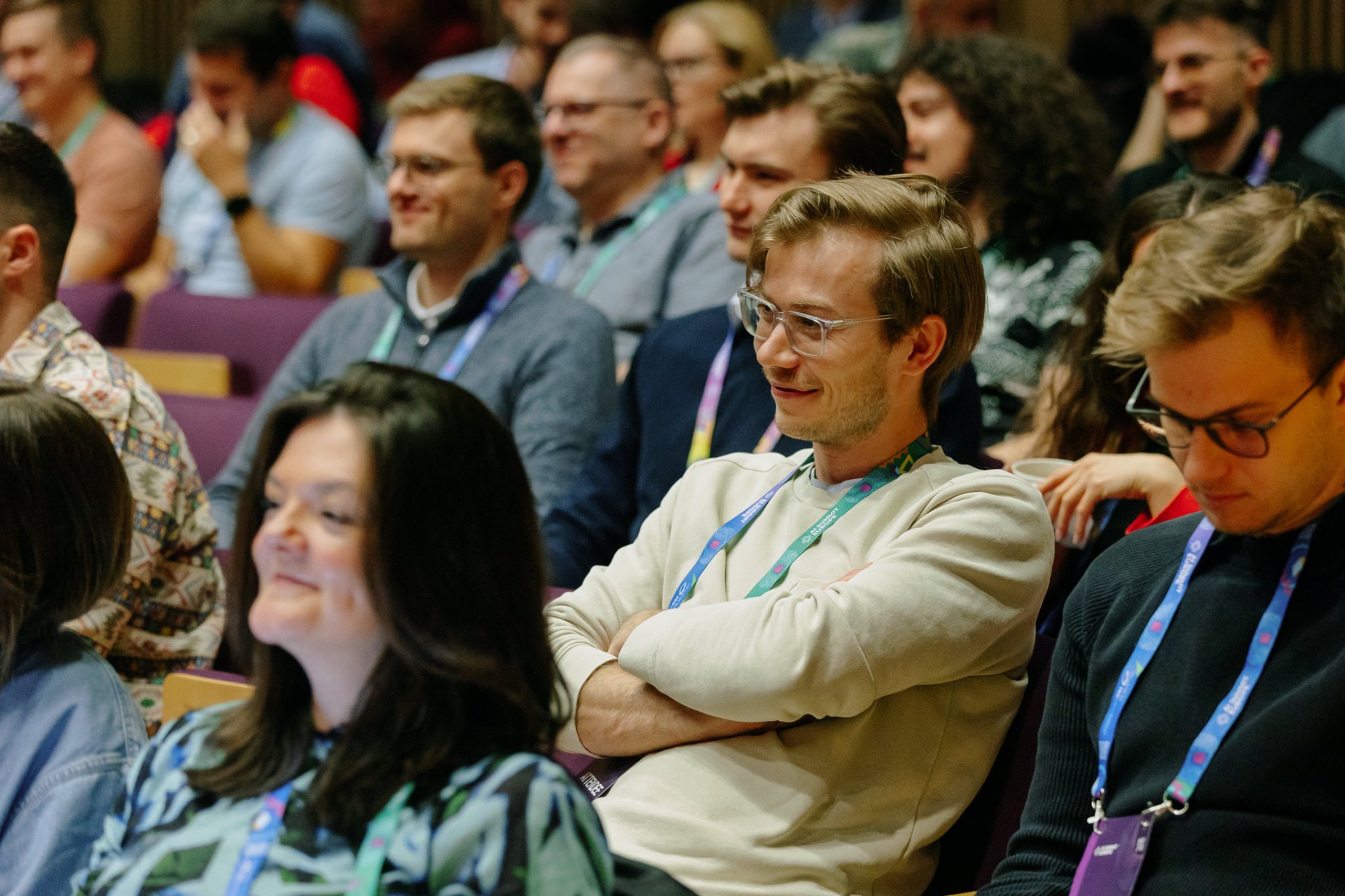
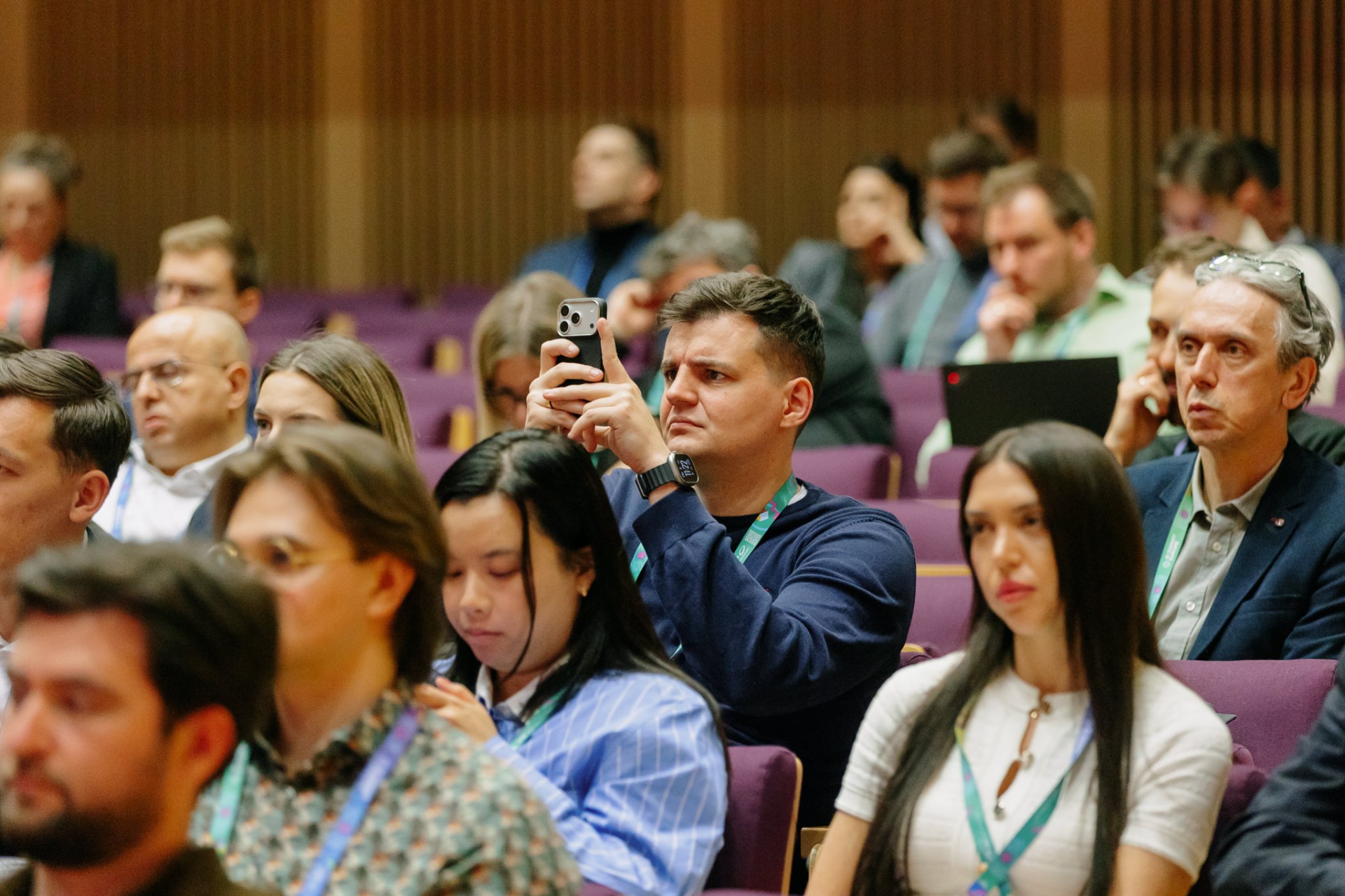
19–21 November 2025 Multikino, Vilnius

Turning

AI Ideas

Into Results

AI Summit Europe 2025

Where European business leaders, innovators, and decision-makers converge to transform artificial intelligence from concept to competitive advantage.

Turning

AI Ideas

Into Results

AI Summit Europe 2026

6–8 May, 2026 Riga, Latvia

Where European business leaders, innovators, and decision-makers converge to transform artificial intelligence from concept to competitive advantage.

MARK YOUR CALENDARS

Three months to go until AI Summit Europe 2026 in Riga! Join leading AI practitioners and industry experts to explore the latest tools, real-world use cases, and practical strategies—plus bold ideas shaping what’s next. Save 35% when you book by February 12 — secure your seat today.

100

Lorem ipsum

100

Lorem ipsum

100

Lorem ipsum

100

Lorem ipsum

100

Lorem ipsum

100

Lorem ipsum

6-8 May, 2026
Riga, Latvia

Turning

AI Ideas

Into Results

AI Summit Europe 2026

Where European business leaders, innovators, and decision-makers converge to transform artificial intelligence from concept to competitive advantage.

If you've landed here, you're probably...

01

Thinking about what AI really means for your business

Most leaders are here – questioning the hype vs reality

02

Wondering how others are actually using AI — beyond the buzz

You want real case studies, not marketing fluff

03

Looking for clarity in a fast-moving, overhyped AI landscape

Cut through the noise with expert guidance

04

Ready to stop watching from the sidelines and start leading with AI

Time to move from observer to leader

You’ve Found Your Tribe

Welcome to AI Summit Europe 2026

The conference built for leaders ready to act.

6–8 May, 2026 National Library of Latvia, Riga
6-8 May 2026
National Library of Latvia, Riga

3

Days

3

Tracks

40+

Sessions

35+

Countries

500+

Attendees

3

Days

3

Tracks

40+

Sessions

35+

Countries

500+

Attendees

This event brings together business professionals, innovators, and decision-makers from across Europe to focus on real-world AI implementation and strategy.

Over three days, you’ll gain practical insights, explore proven frameworks, and connect with those successfully integrating AI into their operations — without the fluff.

If you’re looking to unlock business value from AI, align teams around smart execution, and stay ahead in a rapidly shifting landscape — you’re in exactly the right place.

Join us at AI Summit Europe 2026 – the international event for business professionals, leaders, and decision-makers driving AI forward.
Explore practical strategies across four key areas: business transformation, implementation, operational efficiency, and innovation. Learn what works, connect with industry peers, and turn AI potential into real business impact.

Themes

Turning AI Ideas Into Results

Explore the most critical aspects of AI development and implementation through focused tracks designed for maximum impact.

Click any theme to explore details

AI Strategy & Organizational Transformation

From vision to value: drive enterprise-wide AI transformation.

Strategy

This theme focuses on how organizations define and implement AI strategies that create sustainable impact. Sessions explore leadership alignment, AI governance, pricing models, and structuring teams for AI success.
See Sessions

AI Solutions for Business Efficiency & Automation

Replace manual work with intelligent systems—and scale what works.

Automation

Focused on operational excellence, this theme covers how businesses leverage AI to optimize workflows, reduce costs, and automate routine processes.
See Sessions

AI Ecosystem & Tools in Real-World Use

Tool up for impact: real-world AI platforms, integrations, and best practices.

Tools

Explore how to apply existing AI platforms—from Microsoft to open-source—to real business scenarios. Topics include prompt engineering, model deployment, and integration strategies.
See Sessions

AI Innovation & Emerging Technologies

What's next? Emerging AI trends and technologies shaping the future.

Innovation

This theme showcases what’s on the horizon: from deepfakes and agentic automation to generative storytelling and algorithmic emotion. It challenges attendees to think ahead and prepare for transformation.
See Sessions

AI Applications in Industry & Sector Use Cases

Sector by sector: how AI is redefining industry norms and unlocking value.

Industry

This theme highlights how AI is solving real problems in construction, education, logistics, finance, healthcare, and more. Real-world case studies. Tangible results.
See Sessions

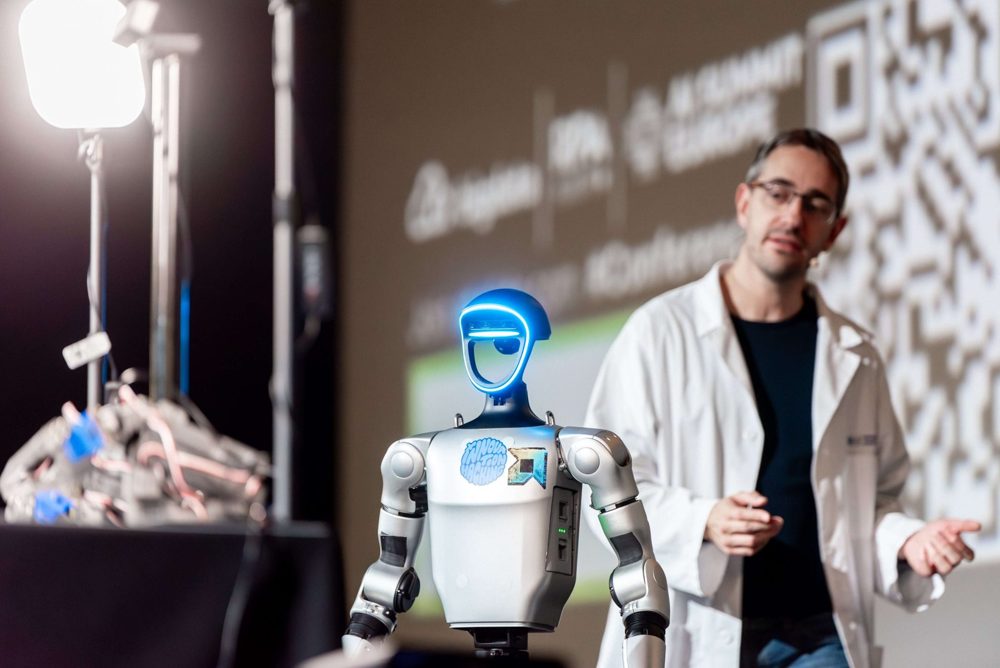
Humanoid Robot Showcase & Live Meeting

Meet your first humanoid robot: shake hands, walk together, and take photos — see AI in action.

Robot Meet

A one-of-a-kind live experience where AI steps off the screen and into real life. Interact directly with a humanoid robot — greet it with a handshake, stroll side by side, and capture photos - a glimpse into how robotics is moving from concept to everyday life and work.
Get Ticket
Keywords

Find Your Expertise

Connect with like-minded professionals and discover the AI topics that matter to your role and industry

Join professionals from every corner of the AI ecosystem

500+ AI Leaders 200+ Companies 15+ Industries
Summit Audience

Your Role. Your Impact. Your AI Journey

Whether you lead strategy, run operations, serve the public, or build new solutions — AI Summit Europe 2026 helps you turn ideas into outcomes.

Executives & Decision-Makers

Turn vision into action. Translate AI potential into measurable ROI. Drive company-wide adoption with confidence.

Business & Operations Professionals

Replace manual work with smart automation. Streamline processes and improve efficiency. Deliver real impact.

AI Practitioners & Users

Master the habits and tools that make AI a reliable part of your daily work. Deliver better results, faster.

Startup Teams & AI Enthusiasts

Turn your idea into a validated solution. Refine your product to meet real market needs. Find your path to scale.

Ready to Accelerate Your AI Journey?

Join 500+ European leaders who are turning AI ideas into measurable business results. 

Executives & Decision-Makers

Business & Operations Professionals

Public Sector Representatives

Startup Teams & AI Enthusiasts


  • Turn vision into action.
  • Translate AI potential into measurable ROI.
  • Drive company-wide adoption with confidence.


  • Replace manual work with smart automation.
  • Streamline processes and improve efficiency.
  • Deliver real impact.


  • Transform policy into better public services.
  • Embed transparency, ethics, and trust.
  • Build citizen-first AI solutions.


  • Turn your idea into a validated solution.
  • Refine your product to meet real market needs.
  • Find your path to scale.

Executives & Decision-Makers

Turn vision into action. Translate AI potential into measurable ROI. Drive company-wide adoption with confidence.

Business & Operations Professionals

Replace manual work with smart automation. Streamline processes and improve efficiency. Deliver real impact.

Public Sector Representatives

Transform policy into better public services. Embed transparency, ethics, and trust. Build citizen-first AI solutions.

Startup Teams & AI Enthusiasts

Turn your idea into a validated solution. Refine your product to meet real market needs. Find your path to scale.

Attending Companies

Our Community Is Growing

Join our international community at AI Summit Europe 2026. Connect with industry leaders and peers, learn from the best in the business, and enhance your professional connections for growth!

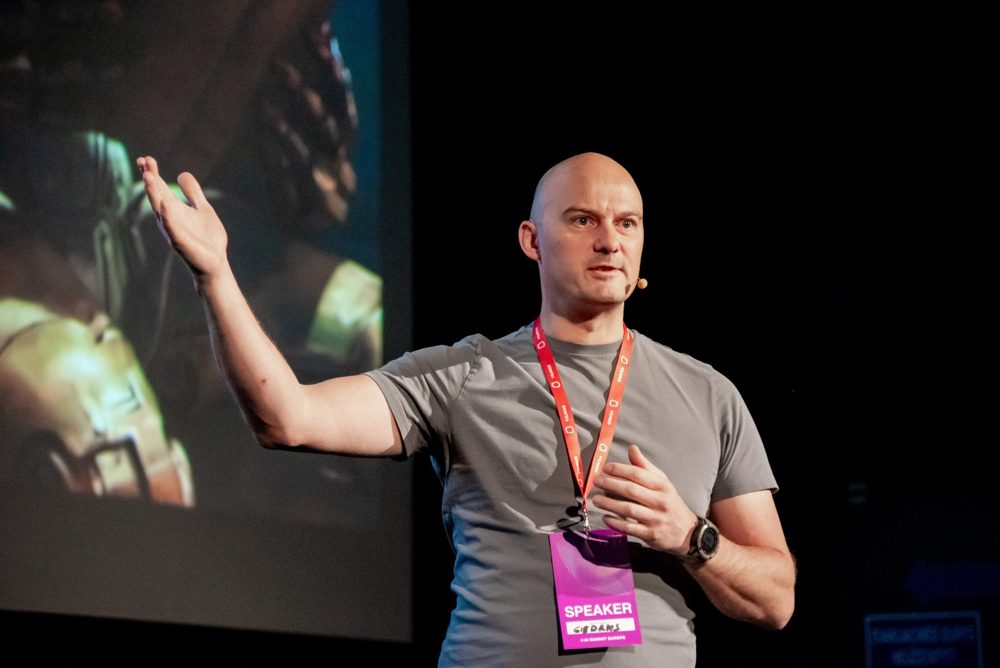
Summit Keynotes

Hear From Keynotes on the Main Stage

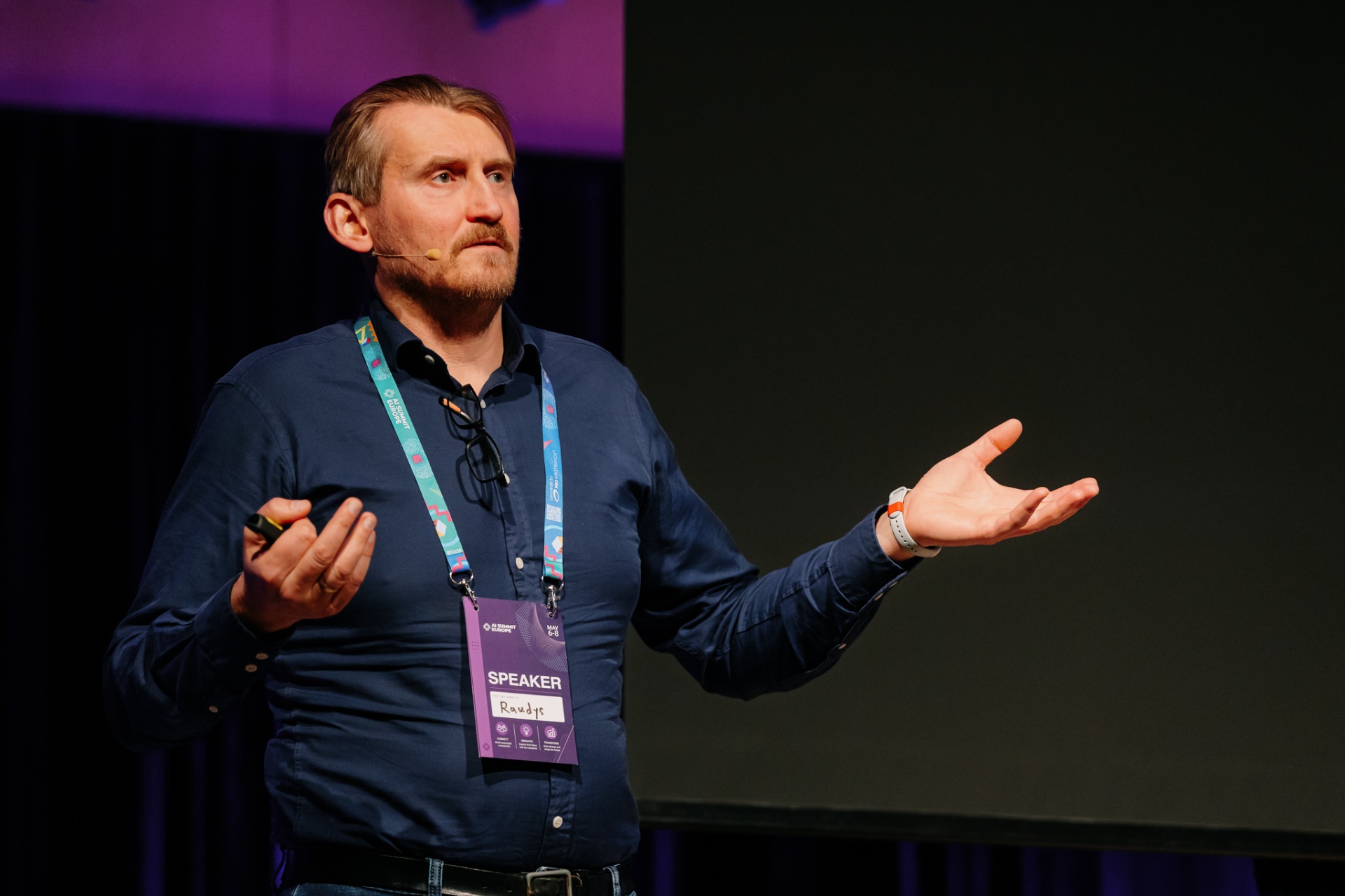
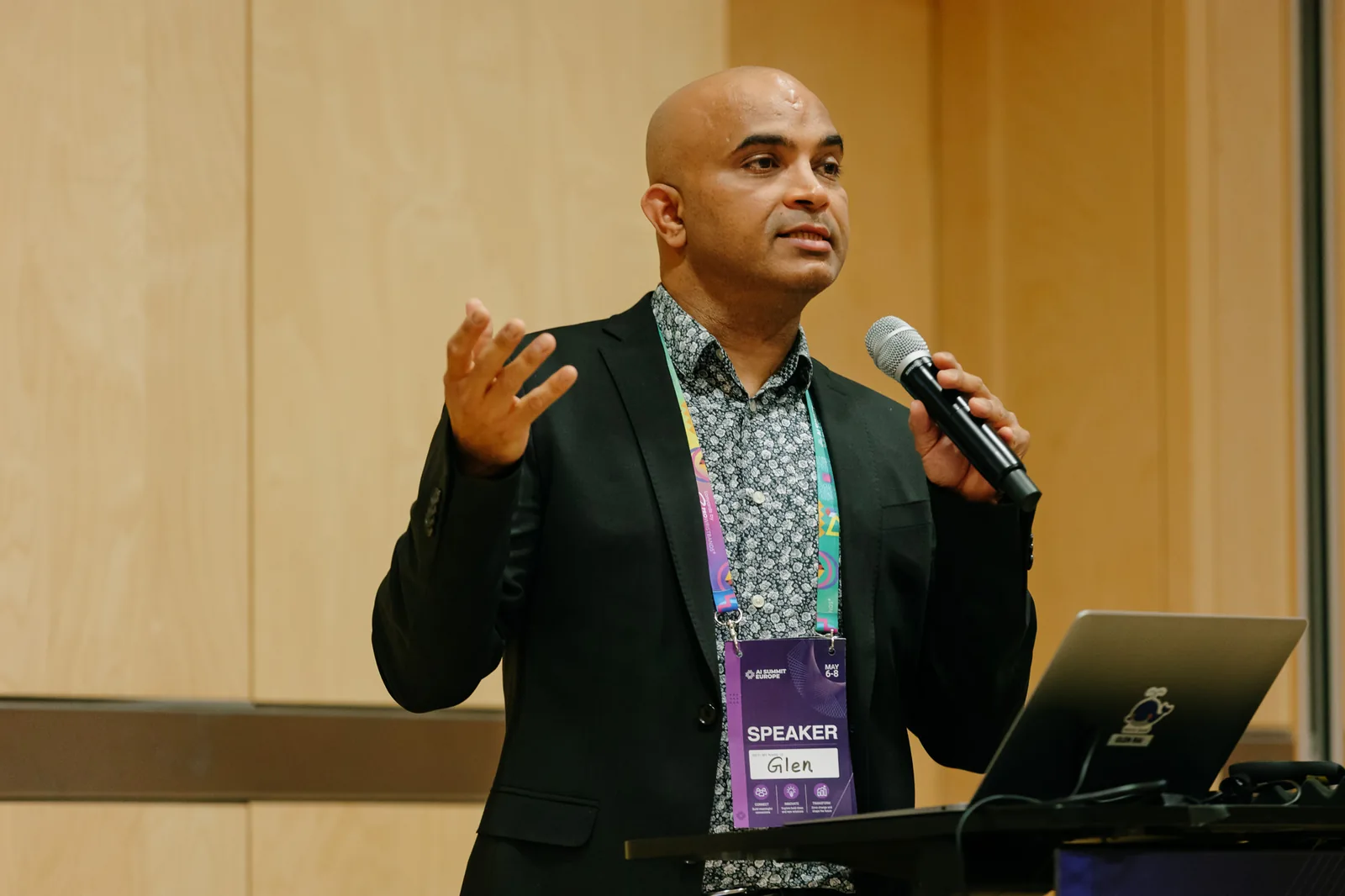
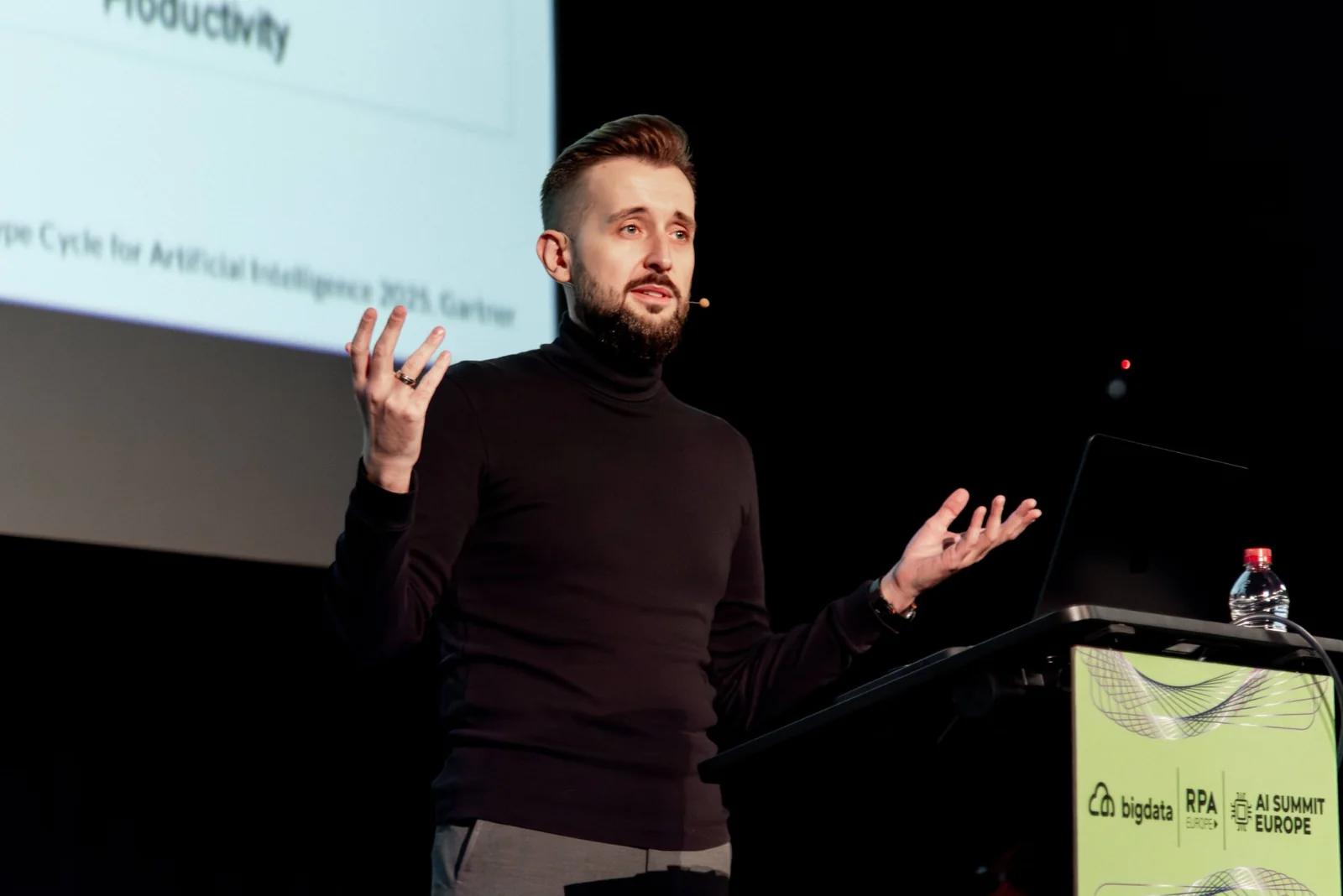
Gain first-hand insights from executives, innovators, and thought leaders delivering keynote sessions that set the agenda for the future of AI and business transformation.

Norbert Faniszlo

Founder of Brainist (Hungary)

Martin Förtsch

Principal Consultant at TNG Technology Consulting (Germany)

Thomas Endres

Managing Partner at TNG Technology Consulting (Germany)

Ben Slavin

Co-Founder of FreeSkate (US)

Florian Gather

Associate Partner at TNG Technology Consulting (Germany)

Alex Northstar Enache

Chief AI Officer at NorthstarB LLC (Italy)

Eugene Klyuchnikov

Principal Data Engineer at Zalando (Germany)

Ivo Moring

Founder of TNG Technology Consulting (Germany)

2026 Edition Speakers

Speakers of AI Summit Europe 2026

3

Formats

5

Themes

40+

Speakers

30+

Hours Content

Want to Join a Lineup?

Have a compelling case study, breakthrough innovation, or bold vision to share? We invite you to apply to speak at premier event uniting enterprise leaders, pioneering startups, and influential policymakers to drive real-world AI adoption across the Europe.

Confirmed Talks

From Keynotes to Deep Dives: 2026 Sessions

Select any theme to filter sessions
Expand All +
  • May 6-8


  • Governments across Europe are moving beyond digitising services toward embedding Artificial Intelligence (AI) into the core of public administration. This shift is often described as a transition from e-government to “AI government.” But what does this transformation actually involve, and what does it demand from public institutions beyond deploying new technologies? In this talk, the speaker presents insights from a reflexive, empirically grounded framework for AI adoption in the public sector, developed through an in-depth case study of Estonia’s Bürokratt initiative—a national AI-enabled virtual assistant that serves as a single gateway to public services. Rather than treating AI as a standalone tool, the framework examines how AI becomes institutionalised across legal, organisational, operational, and socio-technical dimensions. The session traces Estonia’s trajectory from e-government toward AI government and, conceptually, toward what can be described as an agentic state—a governance model in which AI enables adaptive, data-informed action while remaining embedded in human oversight, legal mandates, and democratic accountability. The focus is not on technological sophistication, but on institutional readiness, inter-agency coordination, human–AI delegation, and the governance conditions under which AI can be scaled responsibly. Drawing on mixed empirical evidence, the talk highlights why many AI initiatives struggle to move beyond pilot phases: regulatory ambiguity, fragmented ownership, workforce capacity gaps, and misalignment between technical ambition and institutional reality. It reframes AI adoption as a multi-phase governance challenge, requiring iterative learning rather than one-off implementation. For policymakers and digital leaders, the session offers a practical lens to assess where their administrations stand—not on an AI maturity curve alone, but on a broader trajectory of governance transformation. The key message is clear: AI does not simply automate government; it reshapes agency, responsibility, and the state’s capacity to act—and must therefore be governed accordingly.
    Strategy

  • As AI-generated content floods every platform, brands are beginning to look and sound the same. This keynote reveals how to break through the noise in a world where algorithms make everything feel uniform and predictable. The central idea: the new competitive advantage isn’t more AI — it’s authenticity, amplified by AI. In an era of polished, machine-generated content, it’s real voices, lived experiences, and imperfect human stories that truly capture attention. This talk explores how companies can: Combine AI efficiency with human empathy Create content people actually feel Build communities rather than passive audiences The result? Brands that remain memorable, trustworthy, and emotionally resonant — even in the loudest digital era we’ve ever seen.
    Innovation

  • AI is reshaping localization, and global companies are already using it in practical, visible ways—from instant translations in user-facing platforms to hybrid workflows where AI handles the first pass and humans ensure accuracy. In this session, the speaker, Silvi Nuñez, will break down how leading brands and agencies are integrating AI into their localization processes. She explains which AI use cases deliver real impact today, what teams need to get right before scaling, and where human input remains essential. Attendees will leave with a clear, realistic view of how to bring AI into their own localization strategy without compromising quality
    Industry

  • Curious about AI but unsure where to begin? In this session, the speaker provides a clear roadmap for building a first AI agent from the ground up. The talk demystifies large language models (LLMs) and their role in today’s AI landscape, then explores the essential building blocks of effective AI interaction: powerful prompting and an understanding of tokens. The audience will discover the robust and accessible tools at their disposal, from low-code automation platforms like n8n to foundational models and agent frameworks. Through live demonstrations, the speaker shows how to construct an agent with the ability to automate complex tasks, instantly summarise critical information, and serve as an invaluable assistant—fundamentally changing how people work. Participants will leave with a clear understanding of how to integrate and adopt AI automation seamlessly into their own operations.
    Tools

  • Most organisations are stuck in the AI pilot trap: exciting prototypes that never make it into real operations. In this talk, the speaker breaks down the five critical steps that turn AI experiments into sustainable business value. Drawing on dozens of projects in manufacturing, logistics, tourism, and the public sector, the speaker shares a practical framework for identifying high-impact use cases, overcoming organisational resistance, preparing the right data foundations, and driving adoption within teams. The focus is on speed, clarity, and measurable results—not hype. Attendees leave with an understanding of what is necessary to deliver real AI outcomes in months, not years.
    Strategy

  • How do you actually combine automation, AI, and agents in a way that truly works? Join me as I share our firsthand experience navigating this challenge while building solutions for Make, one of the leading AI automation platforms. In this demo-packed session, I’ll walk you through the mistakes, lessons learned, and real use cases that delivered tangible value—giving you practical insights into what it really takes to integrate AI-driven automation effectively.
    Automation

  • How do you select LLMs to deploy on a GPU cluster for hundreds of engineers? LLM benchmark results are proudly published with every new model release — but what’s really behind those numbers? This talk guides you through designing benchmarks that truly measure the real-world problem-solving capabilities of LLMs. We’ll explore methods for evaluating business-relevant LLM skills such as: coding performance, tool usage and API calling, behavior in agentic workflows. After uncovering common flaws in popular benchmarks, we’ll demonstrate alternative techniques for LLM evaluation — including: ground truth-based testing, LLM-as-a-judge, and execution-based validation (e.g., testing LLM-generated code). We’ll also highlight common pitfalls, such as how prompt variations and generation parameters can subtly and silently skew benchmark results. Finally, we’ll provide a practical decision framework to help you choose the right LLM, balancing latency, cost, and output quality. By the end of this talk, you’ll be equipped to go beyond the hype and evaluate LLMs like an engineer — not just by the score.
    Tools

  • This session explores the limits of AI in generating original insights and making critical decisions, highlighting where human expertise still matters most. As AI systems become more capable, the role of experienced knowledge workers is evolving — from individual contributors to supervisors of multiple AI agents. Through real-world examples and practical insights, this talk demonstrates how expert oversight remains essential in ensuring accuracy, accountability, and sound judgment in AI-driven environments.
    Strategy

  • AI isn’t just a buzzword — it’s a powerful business lever, when used effectively. In this talk, the speaker draws on experience from 40 real-world AI implementations and hundreds of conversations with companies to show how organisations can approach artificial intelligence without fear — but also without illusions. The audience will learn: Where to start if they haven’t started yet (and how to avoid being paralysed by the flood of new tools) How to make smart decisions when a “better” model or tool appears every week Whether it is really necessary to invest hundreds of thousands of euros before seeing any results (spoiler: not necessarily) Where the biggest return on investment (ROI) actually comes from And whether AI agents are just another hype wave — or a true paradigm shift If organisations want to get started with AI but feel overwhelmed by the chaos — or have already started and are wondering whether they are heading in the right direction — this session is for them. Participants can expect plenty of real-world examples and actionable insights.
    Strategy

  • According to MIT Media Lab (2025), 95% of generative AI (GenAI) projects fail to deliver measurable business returns. Not because the models do not work—they demo beautifully. They fail because organisations skip the fundamentals: clear requirements, stakeholder alignment, and product thinking. In this talk, the speaker challenges the “build a model first” mindset. The session explores why requirements engineering and understanding business value are more critical for AI projects, not less. Participants will learn practical techniques to identify real value and collaborate effectively with stakeholders—defining success before writing a single line of code. With this foundation, the talk examines when proofs of concept (PoCs) are actually needed and how to bridge the dangerous gap between a PoC and a minimum viable product (MVP). But it does not stop there: the speaker asks what a real product strategy looks like and how organisations can move from one-off experiments to a systemic, transformational approach. This talk helps the audience focus on getting value out of solutions—where AI is a powerful tool to achieve outcomes, rather than being the business value itself.
    Automation

  • AI systems are rapidly evolving from passive chat assistants into autonomous agents capable of planning tasks, accessing sensitive data, invoking tools, and executing actions across enterprise environments. This shift fundamentally changes the security model. When AI systems move from generating suggestions to performing actions, they introduce new attack surfaces, privilege escalation paths, and governance challenges that traditional security controls were not designed to handle. In this talk, the speaker examines how agentic AI systems operate from a security perspective and why existing access control, monitoring, and detection approaches break down in the presence of autonomous, probabilistic behavior. The session explores common failure modes such as overprivileged agents, prompt-driven misuse, tool abuse, and the lack of agent-level auditability. Rather than focusing on theoretical risks, the session frames agentic AI as an emerging execution layer that must be governed, monitored, and constrained like any other high-risk system component. Attendees will leave with a clear understanding of how AI autonomy changes the threat model, along with practical guidance on the security principles required to safely deploy and operate autonomous AI systems in production.
    Innovation

  • Hard crashes are easy: the agent throws an error, you fix it, and you move on. The harder problem is drift—when the agent technically succeeds but slowly stops doing what you meant. Outputs become vaguer, tool choices grow stranger, and costs start to creep up. In this talk, the speaker examines how to detect behavioral drift before users notice, borrowing from process control theory and anomaly detection in industrial systems. The session explores what the benchmark of “normal” actually means, and how to build the feedback loops needed to catch drift early.
    Automation

  • In this session, Marie Cattelin, Senior Product Owner at Bettermile, presents an end-to-end, real-world case study on building and deploying AI-powered Smart Insights for last-mile operations—moving beyond dashboards to deliver clear, actionable recommendations that actually change user behavior (UK spelling changed to US for consistency; keep original if UK spelling is preferred). Marie’s team faced a common but critical challenge: translating massive volumes of heterogeneous operational data into context-aware productivity insights for depot employees and subcontractors, who neither have the time nor the expertise to analyze (corrected from ""who have neither... to analyse"") charts and tables. Compounding the problem, last-mile operations vary significantly by region, culture, seasonality, and operational model—meaning a “one-size-fits-all” insight simply does not work. The session walks step-by-step through the strategy, trade-offs, and implementation choices behind Bettermile’s Smart Insights initiative: Establishing data reliability and readiness as a prerequisite for AI Designing concise, high-signal summaries that surface the single most impactful operational problem Evaluating architectural choices such as precomputed (corrected from ""pre-computed"") vs. on-demand AI generation, balancing cost, latency, and scalability Navigating constraints around legal frameworks, data governance, and processing costs Ensuring the AI delivers the right recommendation to the right user at the right moment While the product is still evolving, the talk demonstrates how the team measures impact through built-in feedback loops, qualitative user signals, and early adoption metrics—closing the loop between AI output and real operational value. Attendees will leave with a concrete, production-tested blueprint for turning AI from “interesting analytics” into trusted, actionable decision support—without overwhelming users or forcing AI where it doesn’t belong.
    Industry

  • In a moment when AI-generated video is widely criticized as “AI slop,” it is, paradoxically, also being watched, shared, and created at an unprecedented scale. This talk explores that contradiction—and argues that the real issue is not the use of AI itself, but the absence of intention, authorship, and responsibility behind much of the content produced. In Beyond AI Slop, speaker Marina Meli examines how and when AI should be used in video to enhance business value without eroding trust or meaning. Drawing on her background in Psychology and Filmmaking, alongside hands-on experience in B2B IT sales and corporate video production, she approaches AI not only as a technological tool, but as a medium that shapes perception, attention, and audience trust. The session presents real-world case studies from B2B technology and corporate environments, including examples from cybersecurity, enterprise IT, and AI-enabled sales environments, walking through the original communication challenge, the AI-assisted workflow design and tool choices, and the resulting impact on production speed, message clarity, and sales enablement. Marina introduces a clear ethical framework grounded in both human psychology and filmmaking practice, helping organizations distinguish between AI that amplifies human intent and AI that merely substitutes it. She connects questions of authorship, authenticity, and responsibility to how audiences cognitively and emotionally process video content—especially in environments saturated with automated media. The talk also includes a practical, easy-to-follow walkthrough of some of the newest and most relevant AI tools used in video creation, demonstrating how they can be integrated into real production workflows in a way that remains transparent and ethical. Crucially, the principles, frameworks, and decision-making processes presented are designed to be transferable across a wide range of AI tools and use cases, and are not limited to video creation alone. Rather than focusing on automation for its own sake, the session highlights where AI meaningfully supports clarity, speed, and accessibility—and where human judgment must remain central. By combining philosophical grounding with practical application, this session shows how ethical AI use can directly enhance sales and business communication—making complex products easier to understand, messages more consistent, and interactions more effective across marketing, sales, and internal teams. Attendees will leave with both conceptual clarity and actionable frameworks, workflow templates, and ethical checkpoints they can apply immediately—without contributing to low-value automated content or triggering reactionary backlash against new technologies.
    Tools

  • The individual benefits of meditation and wellness in the workplace include improved concentration, better recovery from challenges, increased patience and optimism, and reduced distractions and reactions to pressure. It sounds great—but when does a manager find the time? This session blends insights and commentary drawn from psychology, biology, and spirituality. Attendees will be invited to participate in guided dialogue addressing current stressors and sources of anxiety. Practical techniques for addressing and relieving these anxieties are introduced and actively practiced. These techniques require no special equipment or workout clothes and can be applied anywhere—from an airplane to a taxi cab or hotel room. The session concludes with a guided meditation, leaving attendees refreshed and better prepared for learning, networking, and travel throughout the rest of their day.
    Strategy

  • Europe is at a crossroads: should it invest decisively in sovereign, responsible AI, or become increasingly dependent on U.S. Big Tech? The European Commission responded to this challenge on 8 October 2025 with a strong action plan, the “Apply AI Strategy” (see here), whose core objective is the development of sovereign generative AI models that comply with EU law and public values. If the concern is that Big Tech’s large language models (LLMs) do not align with European rules and societal values, Europe must innovate to change this reality. The Dutch government rose to this challenge by awarding a grant to the Dutch National Institute for Applied Science (TNO) to develop a competitive, sovereign Dutch large language model fully compliant with EU legislation and public values: GPT‑NL. In this keynote, the speaker discusses the radically different approach taken—and the associated technical innovations required—to achieve this goal. Early results show: That high‑quality content enables the training of a high‑quality LLM with significantly less data, demonstrating that untargeted scraping of the internet is not a requirement. That GPT‑NL outperforms comparable models in tasks such as text summarization, making it particularly suitable for trust‑critical government applications. GPT‑NL offers a competitive alternative to current practices, where AI models are often trained on scraped internet data without the consent of data subjects or rights holders. Instead: GPT‑NL does not scrape random data from the internet. It is the first model trained exclusively on texts that are either copyright‑free or covered by valid licenses. The Netherlands is also the first country worldwide to reach agreements with all publishers regarding content usage and fair remuneration—demonstrating that innovation and respect for intellectual property rights can coexist. GPT‑NL is also the first model to apply data minimization at the source. TNO implemented an innovative contextual anonymization technique that removes all personal data of non‑public individuals while preserving sentence structure, enabling effective learning while ensuring material protection of affected individuals. These techniques also retain factual information about public figures, which legitimately belongs to the public domain
    Innovation

  • Generative AI is reshaping the landscape of email marketing, pushing boundaries beyond automation into the realm of hyper-personalization and creative innovation. In this session, the speaker explores the tangible impact of generative AI on martech—transforming hype into meaningful value for marketers and businesses alike. Attendees will discover how crafting the right prompts can unlock the full potential of AI, enabling smarter, more engaging campaigns. The session dives into the role of machine learning in delivering tailored experiences at scale and examines how AI-driven UX is redefining interfaces for seamless user interaction. Beyond the technicalities of APIs, the speaker will address how tailored AI solutions are solving complex marketing challenges, driving results, and reshaping the industry. This session offers actionable insights and strategies to transform cutting-edge technology into measurable impact for email marketing campaigns. Key takeaways: Crafting effective prompts to unlock AI’s potential in email marketing Using generative AI and machine learning for enhanced personalization Moving beyond APIs: solving complex marketing challenges with tailored AI AI-driven UX transforming interfaces and user engagement From hype to value: the real impact of generative AI on martech
    Industry

  • The agency model is shifting from selling “hours of labor” to delivering “systems and expertise.” In this session, Stefan Chiriacescu addresses a critical leadership challenge of the AI era: how to restructure teams without losing the human element. Drawing from eCommerce Today’s internal transformation, Stefan will explore the transition from “Junior Executor” roles to new positions such as “AI Editor” and “Strategist.” He will present practical frameworks for upskilling staff, managing the anxiety around job displacement, and building an organizational culture where AI is embraced as a collaborator. Leaders will leave with actionable insights for redesigning their org charts with agility and long-term resilience in mind.
    Strategy

  • This session explains how GPTs are reshaping modern marketing by automating large parts of content creation—from ads and social posts to emails, landing pages, and SEO articles. Instead of spending hours drafting, teams can rapidly generate high-quality, on-brand material and focus on strategy, creativity, and performance analysis. Speaker Aurimas Paulius Girčys highlights key benefits such as faster production, scalable A/B testing, consistent messaging, and personalized content for different audiences. The talk also covers best practices, including: Defining brand voice Using structured templates Integrating analytics Maintaining human oversight to ensure quality and accuracy Overall, the message is clear: GPTs don’t replace marketers—they empower them to work smarter, move faster, and deliver more effective campaigns.
    Automation

  • This is a practical “build-with-me” workshop for marketers and agency owners who want to modernize their email infrastructure. Stefan Chiriacescu guides participants through the hands-on blueprinting of an advanced email automation strategy. Starting with “must-have” flows, attendees map out customer journeys and identify specific injection points for AI. By the end of the workshop, participants will have: A tangible diagram of their new retention system A set of proven prompt templates for generating dynamic email content A clear standard operating procedure (SOP) for measuring performance beyond open rates
    Automation

  • Building voice AI in Europe has never been easy. Strict regulations, a lack of EU-hosted solutions, and extremely high costs significantly increase the entry barrier—especially in industries such as FinTech or InsurTech. However, difficult doesn’t mean impossible. In this talk, Artem Demchenkov presents a practical, cost-effective, and fully compliant EU-based approach to building high-quality voice AI without compromising performance. Attendees will explore the three core components of voice AI: Speech-to-Text (STT), Text-to-Speech (TTS), and Large Language Models (LLMs). Artem will walk through how to configure and fine-tune each for improved performance, reduced latency, and more natural sound. He will also address key compliance considerations for each component, ensuring the solution aligns with EU regulatory standards.
    Innovation

  • This session discusses how organizations are applying artificial intelligence and digital technologies to drive innovation, improve operations, and scale transformation. Based on practical experience, it highlights transferable principles and real-world cases relevant to both public and private organizations.
    Strategy

  • In this workshop, Raghav Matta explores a real-world scenario of performing real-time social media analysis using Databricks with SQL AI Functions for LLM‑powered enrichment. The session begins with the business problem, focusing on how organizations monitor sentiment, trends, and reactions on social platforms. Next, the talk walks through the Databricks architecture, including Event Hubs, Unity Catalog, and Azure Databricks, with a focus on SQL AI functions such as ai_analyze_sentiment, ai_extract(), and ai_classify(). The session then demonstrates how to ingest live or simulated social content into Databricks, apply SQL AI Functions to analyze sentiment and topics, store results in Delta Lake, and create visual insights using Databricks AI/BI. Additionally, Raghav shows how to use Databricks Genie to interact with the analyzed data and derive further insights. Reference: https://www.youtube.com/watch?v=BzL-8iM_YOM
    Tools

  • Every enterprise shipping production agents eventually hits a wall: they realize they need multiple models. GPT-4 for reasoning, Claude for compliance, Llama for cost, local models for privacy, Gemini for multimodal tasks. The problem? Managing 20+ LLM APIs isn’t engineering—it’s an operational crisis. Most teams start with one model. Then cost pressures force switching. Compliance mandates specific vendors. Latency demands fallbacks. Suddenly, you're managing: 20+ API contracts (versioning, rate limits, authentication) Cost tracking per model per task Fallback chains and compatibility matrices Infrastructure sprawl The result? Engineering teams spend more time managing model operations than building actual agent logic. In this talk, Aman Sharma explores: The operational cost of diversity: hidden burden, engineering tax, rising complexity API contract management: versioning, normalization, and automated testing Cost attribution and optimization: multi-tenant tracking, smart model selection, and minimizing waste Reliability patterns: fallback hierarchies, circuit breakers, queuing systems, and graceful degradation Vendor management: mitigating lock-in, contract negotiation, and service-level agreements (SLAs) Production case studies include: Finance: 12 models, with 35% of engineering time lost to ops Healthcare: 8 models, where a compliance nightmare was solved through abstraction Enterprise: $2M/year savings achieved via intelligent routing Aman presents actionable strategies to abstract model diversity, so engineers can focus on what matters most: building great agent experiences—not maintaining fragile infrastructure.
    Tools

  • Across industries, organizations are asking industrial systems to perform in conditions they were never designed for. The world has changed faster than the core logic of these systems, yet expectations continue to grow that AI will make them flexible, predictive, and reliable under uncertainty. Data volumes continue to increase, but understanding does not keep pace. Tacit knowledge remains locked in people, operational data is fragmented across siloed systems, and many AI initiatives focus on optimizing isolated functions rather than preparing organizations to operate as coherent, adaptive wholes. This pattern repeats across industrial, defense, and space operations, where rare events, degraded conditions, and time-critical decisions are part of everyday reality. As systems become more autonomous and AI-enabled, success depends not only on technical performance, but on whether humans are prepared to perceive what matters, learn from experience, and act coherently under real-world pressure. Without deliberate cognitive readiness, intelligence alone does not translate into resilience, trust, or safe operations. This session positions AI within the broader concept of human cognitive readiness and traces its evolution—from static, procedure-based training to simulation-driven preparation, and toward AI-enabled, adaptive readiness systems, where preparation for even the most unexpected events takes place primarily in simulated environments rather than through costly real-world exposure. Drawing on real-world work across industrial, defense, and space environments, Sini Rytky demonstrates how AI already improves cognitive readiness in practice, for example by: Enhancing perception through multimodal data fusion and rich situational awareness Supporting learning by identifying and understanding human behavioral patterns in complex operational contexts Building on this foundation, the presentation outlines current market demands for readiness, including faster onboarding into complex roles, preparedness for rare and high-impact scenarios, and the ability to manage complex operations remotely. Finally, the session introduces key research directions being explored within a leading research institution to address emerging readiness gaps, including: AI-driven knowledge capture, enabling critical experiential expertise to be externalized and transferred Synthetic data for AI model configuration and compatibility, supporting robust performance across evolving systems and environments Distributed situational awareness, enabling shared, real-time understanding across humans, AI systems, and autonomous assets Attendees will leave with: Practical examples of how AI can contribute to cognitive readiness systems, and how readiness expectations are evolving across safety-critical domains A clear, actionable checklist for initiating cognitive readiness planning in their operations, including key questions to assess the maturity of human preparedness, knowledge gaps, and simulation-based readiness systems
    Innovation


Top 4 Sessions

Preview Top Sessions of 2025

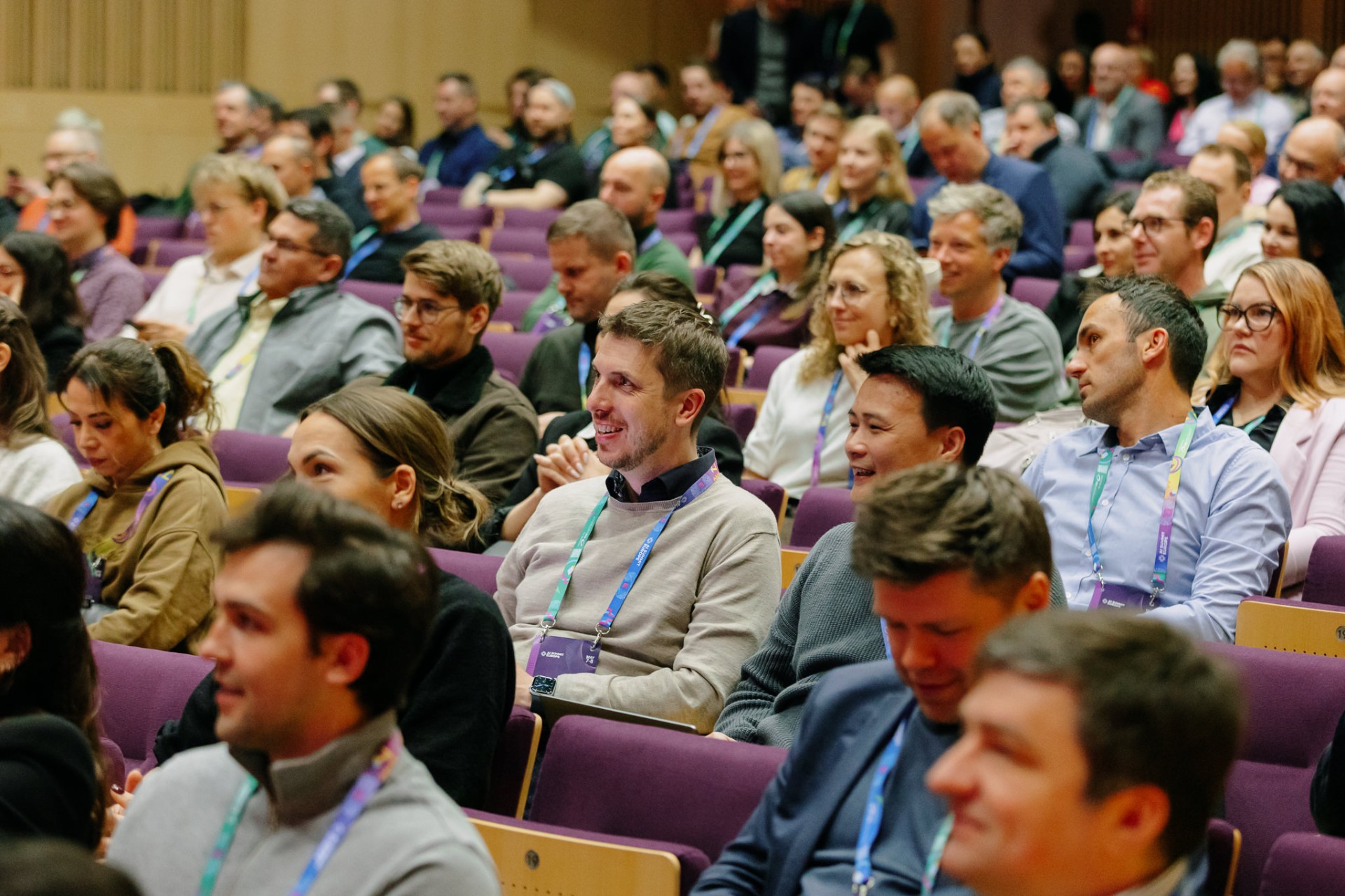
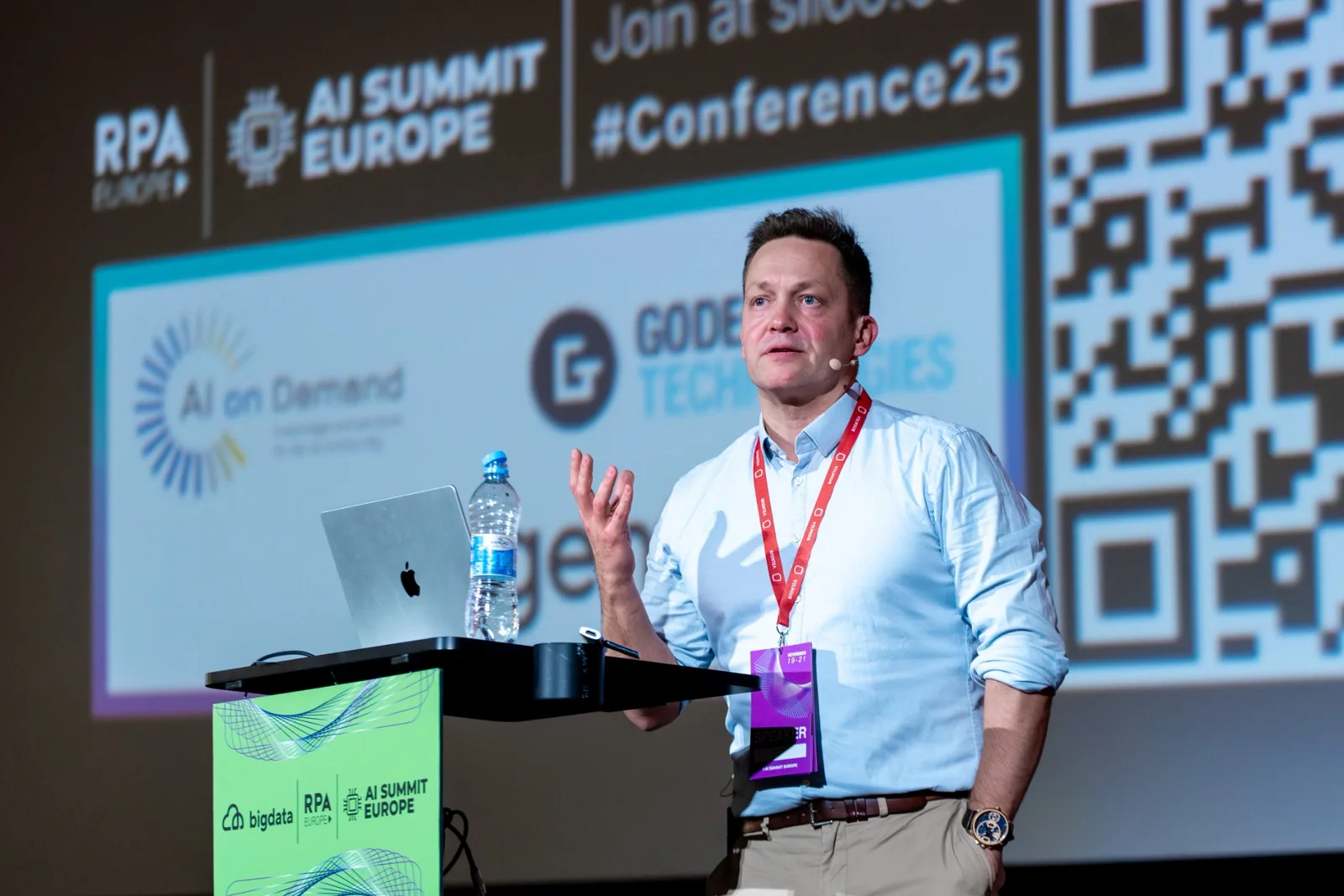
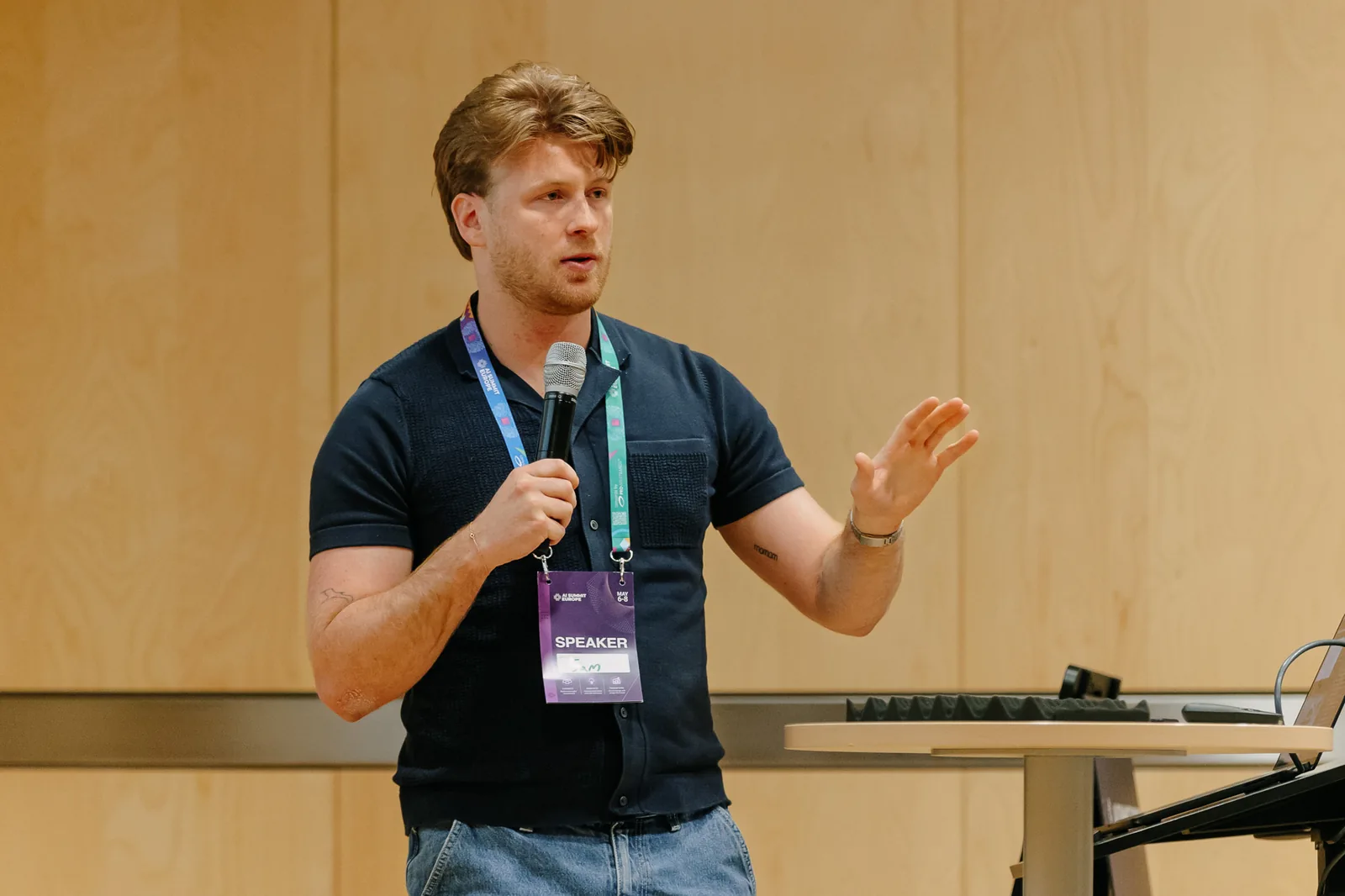
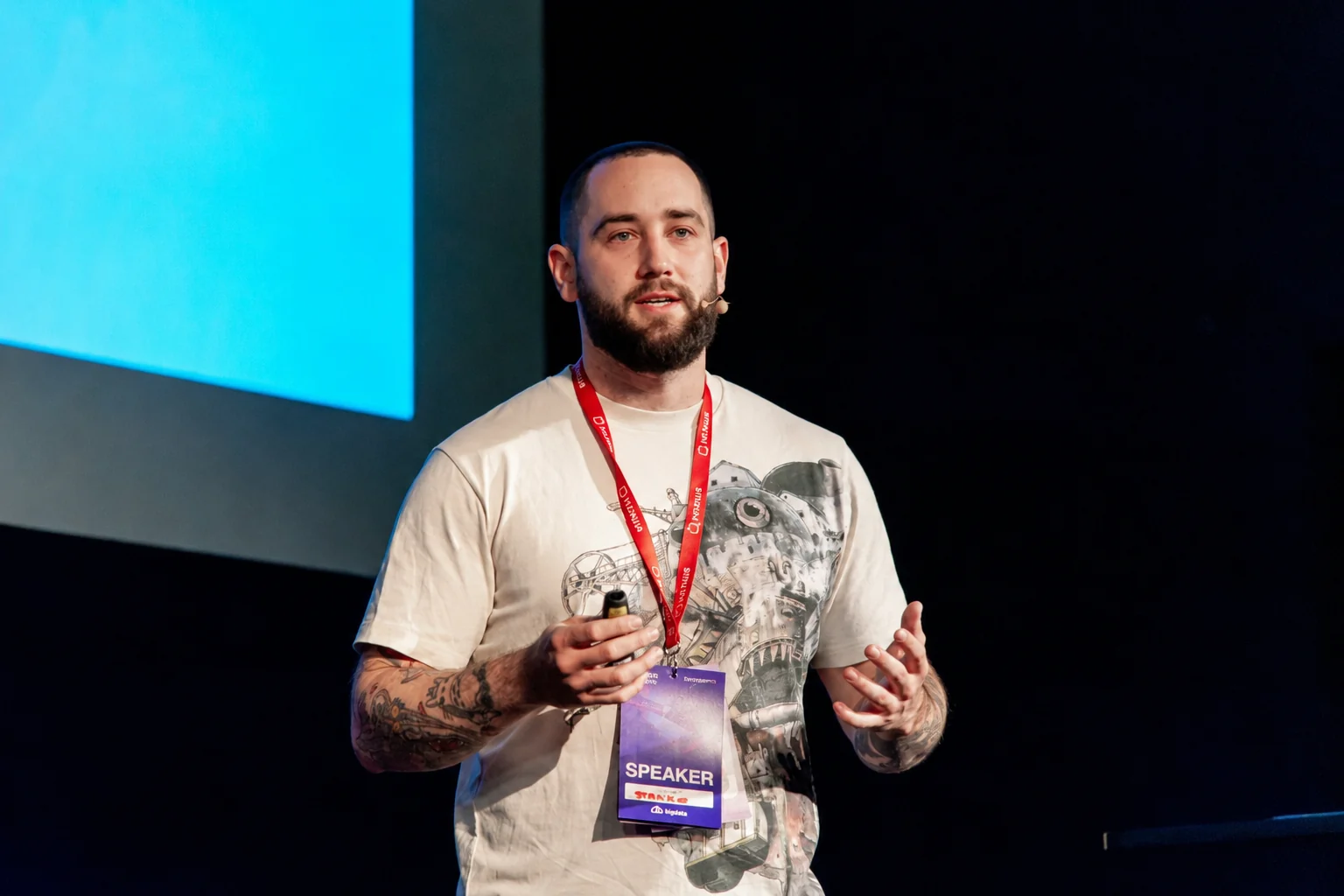
Take a look back at the highlights of AI Summit Europe 2025 with four the most popular sessions! Featuring industry leaders like Ana Catarina de Alencar, Tomas Sakro, Andras Baneth, and Gerlyn Tiigemäe these standout talks showcased breakthrough ideas and practical insights. Enjoy watching and uncover the strategies, tactics, and innovations that stole the show and left attendees inspired.

Summit Highlights

Why AI Summit Stands Apart

Every moment at the summit is created to engage, surprise, and leave you with new perspectives and lasting connections.

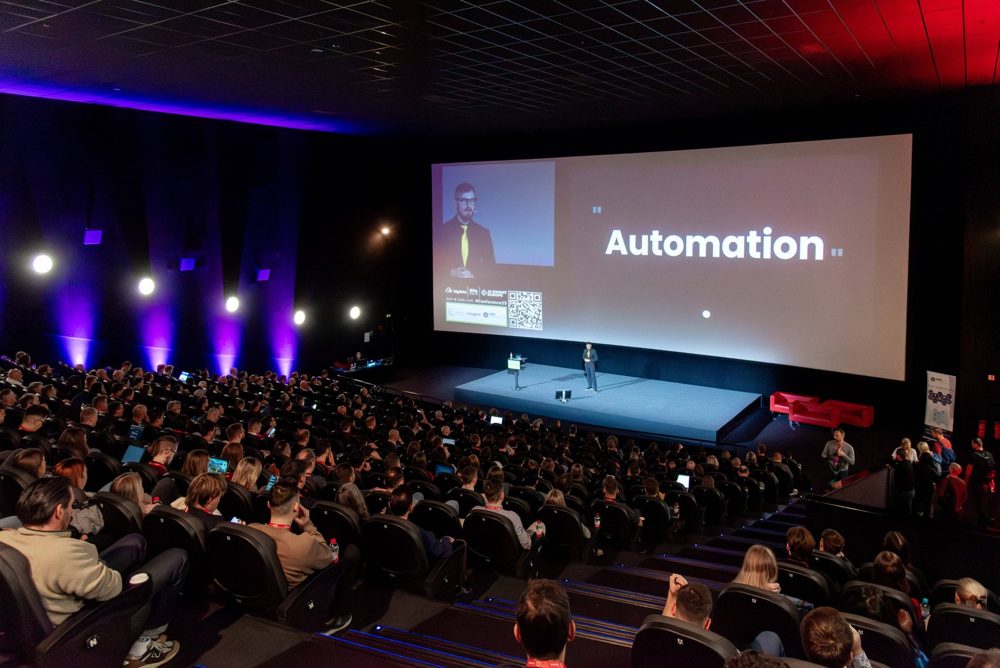
Cinema-Style Venue

Immerse yourself in the unique setting with crystal-clear sound and giant screens — designed to make every session feel cinematic.

Humanoid Robot

Meet your first humanoid robot that showcases how AI is stepping out of the lab and into our daily lives.

Special Movie Screening

Join us for an unforgettable cinematic experience and make the most of our unique summit venue.

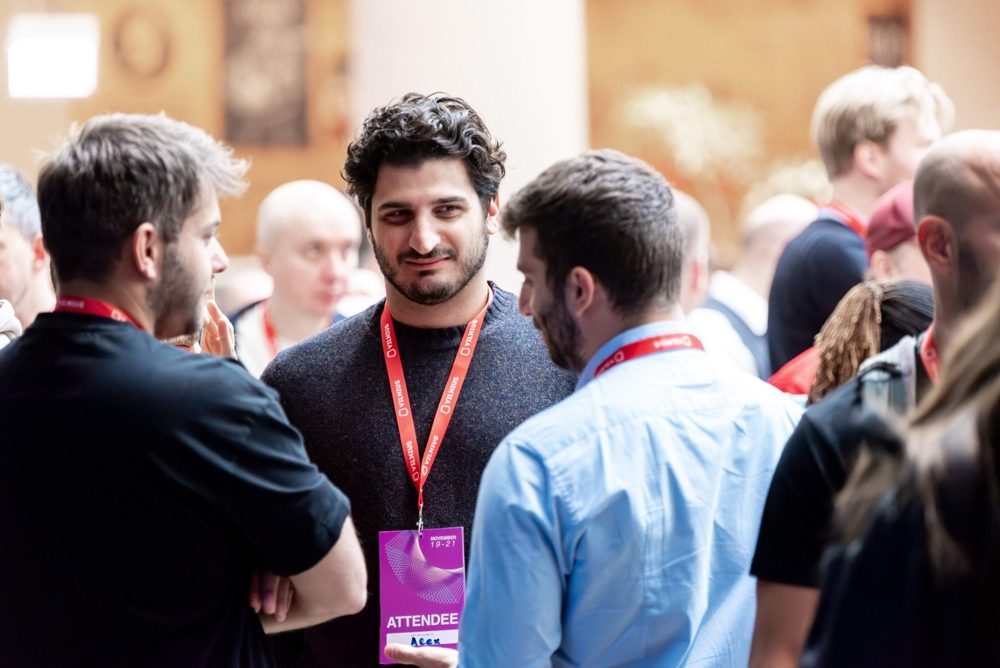
Unparalleled Networking

Connect with global AI leaders — in live meetings or via the summit networking platform.

Four Sessions Formats

Learn, experience, and explore AI through inspiring keynotes, hands-on workshops, live demos, and in-depth talks.

Summit Party

Unwind and celebrate with the community while enjoying great music, lively conversation, and unforgettable memories.

Exclusive Evening Event

AI Summit Party

Experience the summit on a high note! Join us for an unforgettable evening of networking, entertainment, and celebration as we toast to the future of AI.

November 20 5:30–8:00 PM Action by Apollo
✔️ Network & Connect
✔️ Enjoy Complimentary Drinks
✔️ Play Board Games
✔️ Take Professional Photos
✔️ Enjoy DJ Music
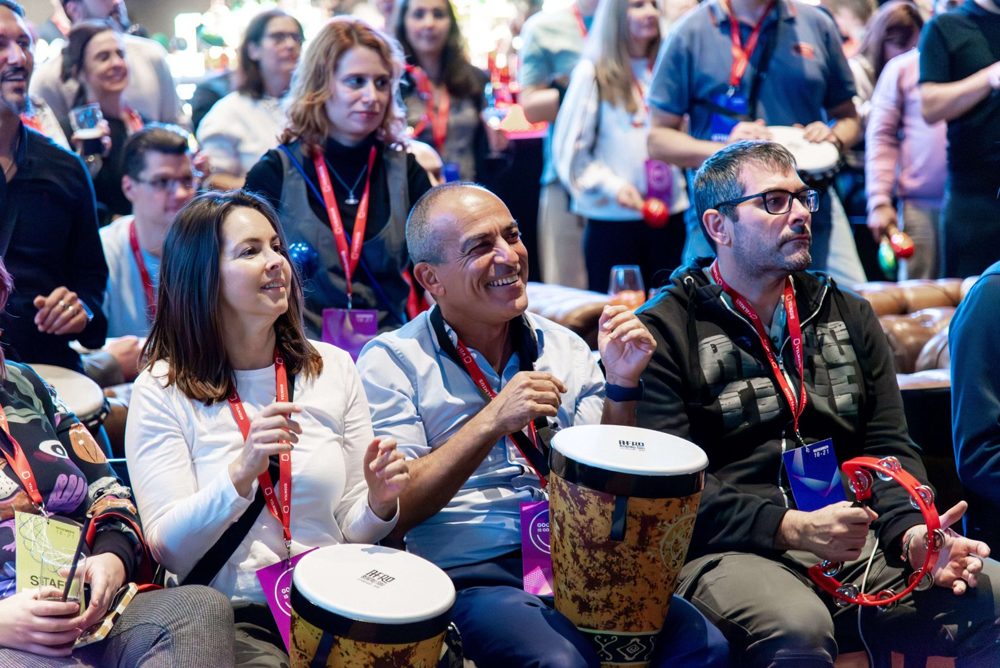
✔️ Experience African Drumming
Exclusive Evening Event

AI Summit Party

Experience the summit on a high note! Join us for an unforgettable evening of networking, entertainment, and celebration as we toast to the future of AI.

November 20 5:30–8:00 PM Action by Apollo
✔️ Network & Connect
✔️ Enjoy Complimentary Drinks
✔️ Play Board Games
✔️ Take Professional Photos
✔️ Enjoy DJ Music
✔️ Experience African Drumming
Registration

Choose Your Summit Pass

Join AI Summit Europe 2026 and unlock the future of artificial intelligence. Select the ticket that fits your schedule — from one day of focused insights, to the core conference experience, or full access to all three days. Bringing a team of 5 or more? Enjoy an additional 15% off the current ticket price.

Register by February 12 to save 35% on each ticket
Focus Day Pass

€255

€390
What's Included:
Core Summit Pass

€385

€590
What's Included:
Full Access Pass

€565

€885
What's Included:
For group discounts or any questions, contact us at tickets@aisummiteurope.eu or call +370 618 00999.

Summit + Hotel Packages

Enjoy the ultimate conference experience with our all-in-one package—conference ticket plus a hotel stay in central Vilnius. Choose from five top hotels near the venue and pick your preferred one at checkout.

NERINGA

Just a 5-minute walk from Gediminas Castle and Vilnius’ old town, the hotel offers comfortable rooms, a traditional restaurant, and a lobby bar with a stunning city view, making it an excellent choice for a convenient stay in Vilnius.

COURTYARD BY MARRIOTT

Located just across the river from Vilnius’ Old Town, this modern hotel offers stylish rooms, a fitness centre, and a restaurant with views of Gediminas’ Tower—perfect for a comfortable and well-connected stay in the city.

IMPERIAL

An independent boutique property set in a 16th-century building, featuring air-conditioned rooms with views of Vilnius’ Old Town and the courtyard. The fine dining restaurant, Imperial, serves both international and Lithuanian dishes.

Your Ideas – Our Stage

CALL FOR PAPERS

Are you leading groundbreaking work in artificial intelligence? Have a compelling case study, breakthrough innovation, or bold vision to share?

Are you leading groundbreaking work in artificial intelligence? Have a compelling case study, breakthrough innovation, or bold vision to share?

Exceptional Recognition

Sponsorship Opportunities

Join us as a sponsor at AI Summit Europe 2026 and connect with a highly targeted audience of AI professionals and decision-makers. Showcase your solutions through booth space, speaking opportunities, benefit from active promotion before and during the summit, and more.

 Click below to explore sponsorship plans or email us at info@aisummiteurope.eu

Summit Sponsors

Summit Partners

Social Media

We Are On Facebook

We are on Facebook

2025 Highlights

Relive the AI Summit Europe 2025
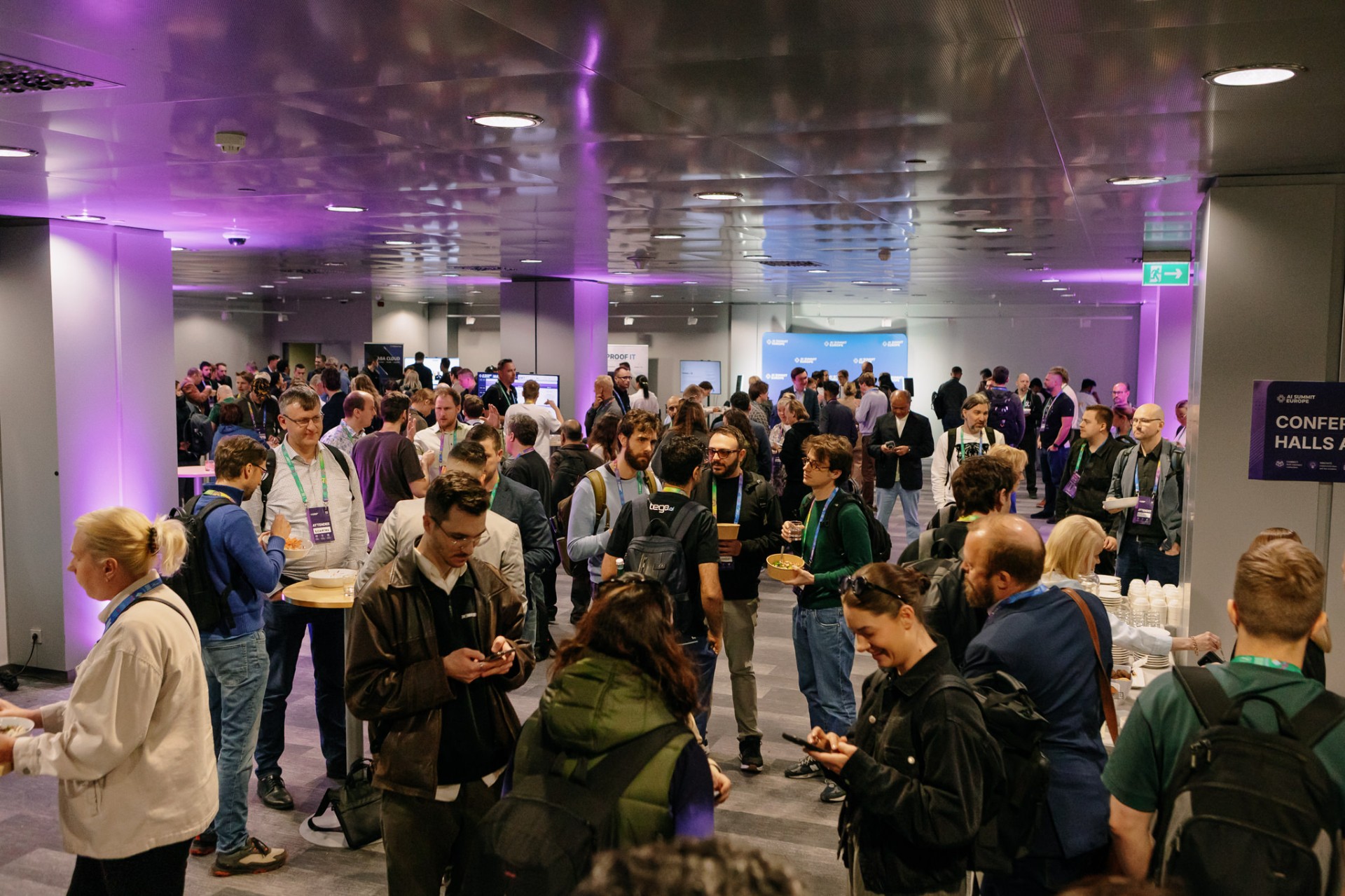
Big ideas. Big screen.

Register now!

Join the AI Leaders Driving Real Change

Get the strategies, connections, and inspiration you need to turn AI into real business impact. Your seat is waiting.

FAQ

Frequently Asked Questions

The event is designed for AI  business leaders, AI vendors, policymakers, entrepreneurs, and anyone interested in the future of AI and its impact on business.

The summit takes place in National Library of Latvia (Mūkusalas iela 3, Zemgales priekšpilseta, Riga).

Yes! For groups of 5+ participants, proforma invoices or any other questions related to ticket purchase write us at tickets@aisummiteurope.eu or call +37061800999.

Absolutely! The AI Summit Europe Party is the ideal place to network and build the right connections in a fun and informal atmosphere.

Yes, we’re accepting speaker proposals from industry professionals and thought leaders. You can submit your CFP here.

Event registration

Please fill out the form below to register for AI summit